


When brain cancer is your ‘new normal’
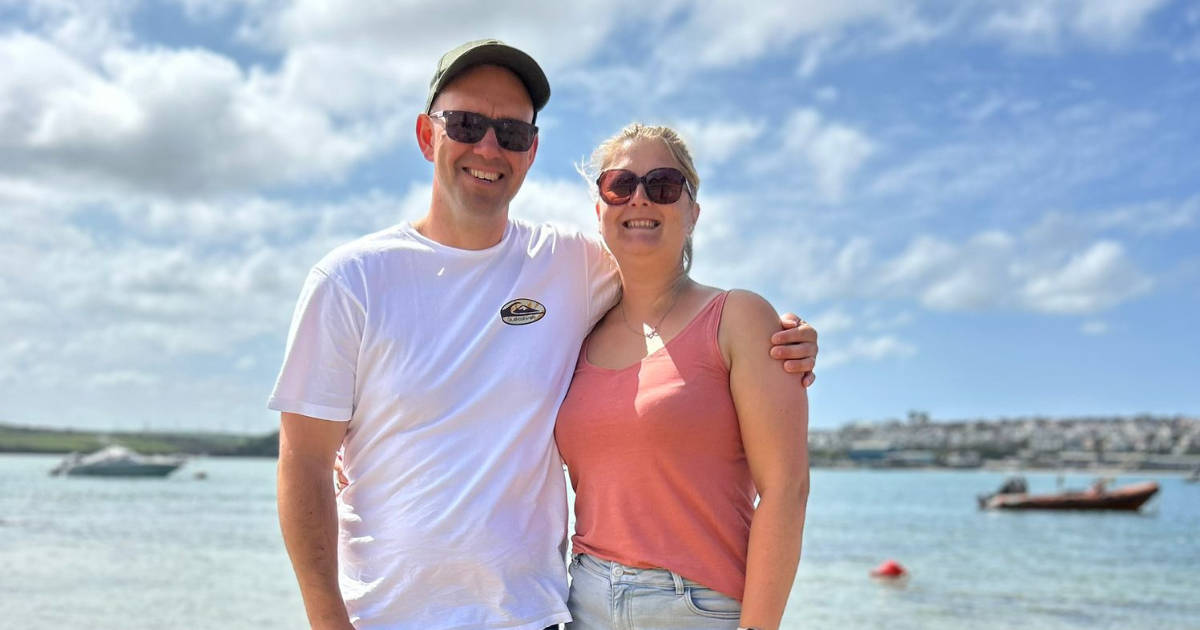
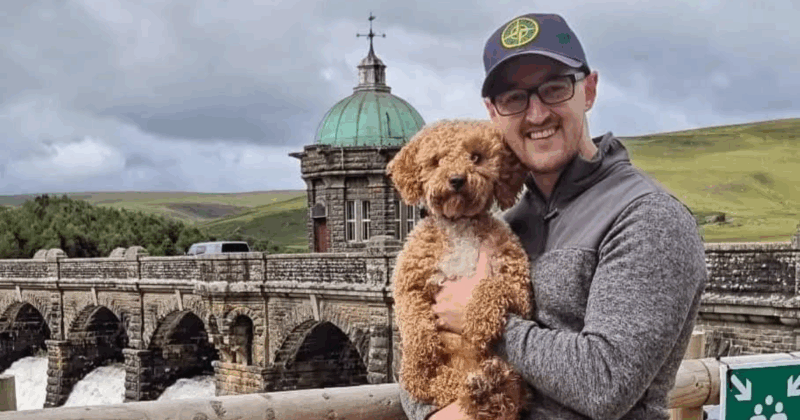
It started with a stomach bug, then a seizure. Having never been seriously ill in his life, Charlie Broadhurst was blindsided when a precautionary scan revealed a brain tumour. Below, he shares his journey with MedTech Views.
“The doctors thought the seizure was due to dehydration from the bug, so I was home from the hospital within a few hours, and I got back to regular life,” the father of two says. “I was referred to the epilepsy team as a precaution and the doctor ordered a magnetic resonance imaging (MRI) scan, but he said he wasn’t worried. I was mostly upset because the seizure meant I wasn’t allowed to drive. The way I reacted, you’d think I’d just been told I had five minutes to live. But my job and family life depended on it.”
Several weeks passed, and Charlie didn’t hear anything. Then, one evening, the doctor called and gave him the distressing news: they had found a mass. Even more upsetting was what followed. Doctors had looked back at an MRI scan from 11 years earlier when Charlie was having headaches, and the mass was already there, but had been missed. “After that, quite a few more in-depth MRI scans followed. I had one scan where they put dye in, and things escalated from there,” Charlie recalls.
MRI is a type of scan that uses strong magnetic fields and radio waves to produce detailed images of the inside of the body. Sometimes, technology called contrast imaging is used so that certain tissues and blood vessels show up more clearly. This procedure involved injecting dye into Charlie’s veins, which gave the doctors more detailed information about his tumour.
“Originally, they didn’t want to operate, but then the doctors decided to do a biopsy using keyhole surgery,” Charlie explains. “I had the biopsy while awake, which allowed them to test movements and see how far the tumour had spread.” The conclusion was that Charlie had a Grade 2 astrocytoma, a type of brain cancer that has no clear edge and infiltrates surrounding brain areas.
He later underwent surgery to remove “a good percentage” of the tumour. This was followed by six weeks of daily radiation therapy and seven months of chemotherapy to kill the remaining cancer cells and shrink the tumour. Charlie continued working throughout.
For now, things are stable – he’s driving again and working full time, but there are day-to-day challenges. “I’ve had to learn different ways of doing things. I have no feeling in my left hand due to nerve damage on my left side, the chemo has changed my sense of taste and smell, and I worry about the impact on my wife and children, but I try to stay positive. I have MRI scans every six months to monitor my situation.”
“My wife Siobhan, my children and my family have been a huge support, which has also helped with the mental health side of things,” he notes.
Siobhan is Charlie’s biggest advocate and is passionate about raising awareness and funds for the charity Brain Tumour Research. She offers some advice to people who have just been diagnosed: “Don’t automatically think ‘that’s it.’ Keep asking questions, get as much information as you can, explore all your options and choose the one that’s best for you. Go with what you feel is right. You know your body better than anybody else.”
Charlie adds: “It isn’t easy, especially at first, but try and stay positive. Listen to every bit of advice your doctors give you. They’re there to help you!”