


Navigating kidney disease as a young adult

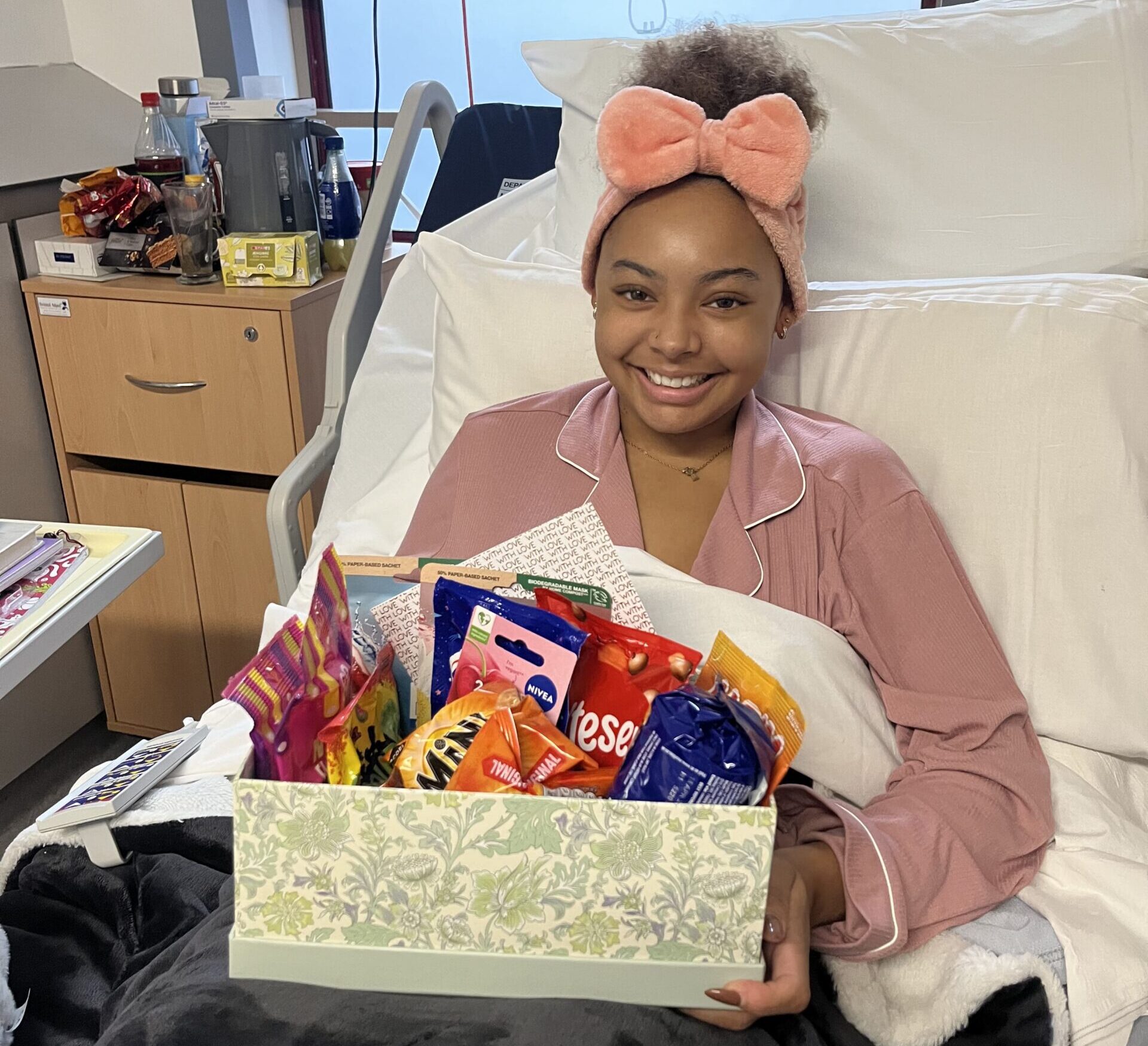
Even though her symptoms mimicked the flu, Teonie Ugorji sensed deep down that it was something more. Her suspicions were confirmed when she was diagnosed with a life-threatening autoimmune disease that left her with just 5% kidney function. She shares her story with us on World Kidney Day.
“I’ve always been an active, fit and healthy person, so at first I dismissed my flu-like symptoms,” Teonie tells MedTech Views. “After a few weeks, I also started waking up with swelling in my face and ankles and having severe abdominal pain, and my brain felt very foggy. I knew something wasn’t right and I went for blood tests. Nine hours later, I got a call from the doctor telling me to go straight to the hospital because my kidneys were failing.”
The blood tests showed that Teonie had a rare autoimmune disease called antineutrophil cytoplasmic antibody (ANCA)-associated vasculitis, where her blood vessels became inflamed and resulted in her body’s immune system attacking her kidneys. “I was terrified and, at 22, I thought my life was over. It was very aggressive and I had lost most of my kidney function,” she explains. “The doctors told me that I was lucky because if I’d waited another 48 hours, it could have been fatal due to blood poisoning.”
When your kidneys aren’t working, they are unable to do their usual job of balancing fluids inside your body and filtering out toxins from your blood. This can have a knock-on effect on other vital organs. “I had different scans to make sure the vasculitis hadn’t attacked any other organs,” says Teonie. “I’m so grateful for the medical technology like magnetic resonance imaging (MRI) and computed tomography (CT) that helped guide my treatment. Not only did they reveal the extent of my kidney damage, but they also showed that I was in stage one heart failure because my heart had been impacted by my lack of kidney function.”
The scans showed detailed pictures of Teonie’s organs, which helped her to get the medications she needed to control her disease. She was also put on haemodialysis, medtech that filtered her blood through an external machine three to four times a week. “I was later switched to peritoneal dialysis, which I can do at home and is better for someone my age,” Teonie notes. “I have a tube in my abdomen that leads to my peritoneal cavity near my stomach, where excess fluid and toxins can be filtered from my blood and stored. Every night I plug the tube into a machine next to my bed that drains the fluid from my body while I sleep.”
This medtech system allows Teonie to get on with day-to-day life, with adaptations. “I’ve had to make changes with my diet and I need to be careful with the quantity of food and liquid I consume. I also have to be very cautious not to expose myself to germs,” she
comments. “At first, I wondered how I was going to live like this, but now it’s part of my daily routine.”
Despite the challenges she faces, Teonie keeps a positive outlook and looks forward to undergoing a kidney transplant in future. She’s also passionate about advocating and raising awareness about kidney disease. “There are things you can and can’t control. If you believe you’ll be OK, you’ll be OK.”