



Where would we be without medical technology?

That’s what Emma Kane says about the medical technology that kept her newborn son Jack alive when he was born prematurely. She shares their story below on World Patient Safety Day, which focuses on safe care for newborns and children this year.
“Jack was born eight weeks early,” Emma tells MedTech Views. Emma’s wife Natalie, who was carrying him, had started bleeding and was sent to hospital. “Nat started to feel unwell, so it was decided that Jack would be delivered via Caesarean section. Once he was born, he was taken straight to the neonatal intensive care unit and put on a CPAP. I followed him, while they stabilised Nat, who was losing a lot of blood.”
The CPAP (continuous positive airway pressure) machine gave Jack extra support with breathing as his lungs weren’t fully developed yet. It was attached to two tubes running into his nose and it blew a steady flow of air and oxygen through the tubes. This kept enough pressure in Jack’s lungs to prevent his air sacs from collapsing after each breath.
According to the World Health Organization, more than one in 10 babies is born before the 37th week of pregnancy (‘preterm’) and this is the leading cause of death in children under five worldwide.1 Among other risks, preterm infants have a lower level of nutrient body stores, resulting in a higher risk of malnutrition. Ensuring they are feeding properly and gaining weight is critical.
“Jack was on the CPAP for five days and he was also put in an incubator with special lamps to treat his jaundice. He was at a specialist hospital for a week, then he was moved to our local hospital when he could breathe on his own. We saw a lot of clever medical technologies while he was there,” notes Emma. “For the next two weeks, Nat stayed in a parent’s room at the local hospital because Jack needed to be able to breastfeed before he could come home. It was a hectic time as we also had our two older daughters at home, but you do it.”
Emma and Nat are eternally grateful for the medical care Jack and Nat received and for the medical technologies that helped Jack survive the early days. “Where would we be without it?” Emma ponders. “Jack is now 18 months old, and he’s a little small for his age, but he’s doing well. Because his lungs weren’t fully formed at birth, we were warned he could develop asthma, but so far, he hasn’t.”
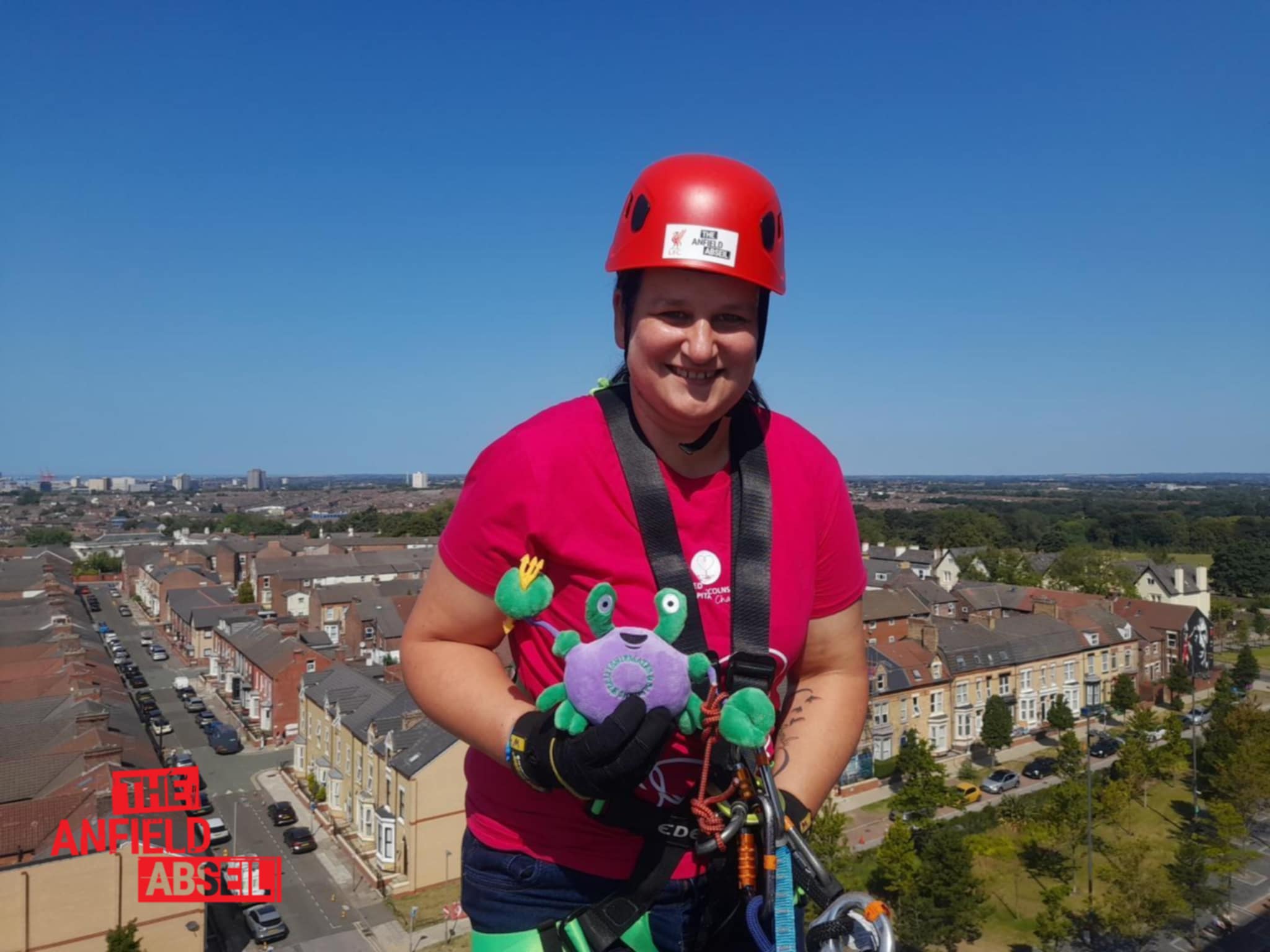
To show their gratitude to the hospitals and staff, Emma recently did a charity abseil down the side of Anfield, Liverpool Football Club’s stadium. “Having a premature child is a parent’s worst nightmare, and an experience I wouldn’t wish on anyone. I almost lost him and Nat because of this,” she says. “I dread to think where I would be now if these wards or the specialist equipment did not exist.”