


Diabetes has empowered me

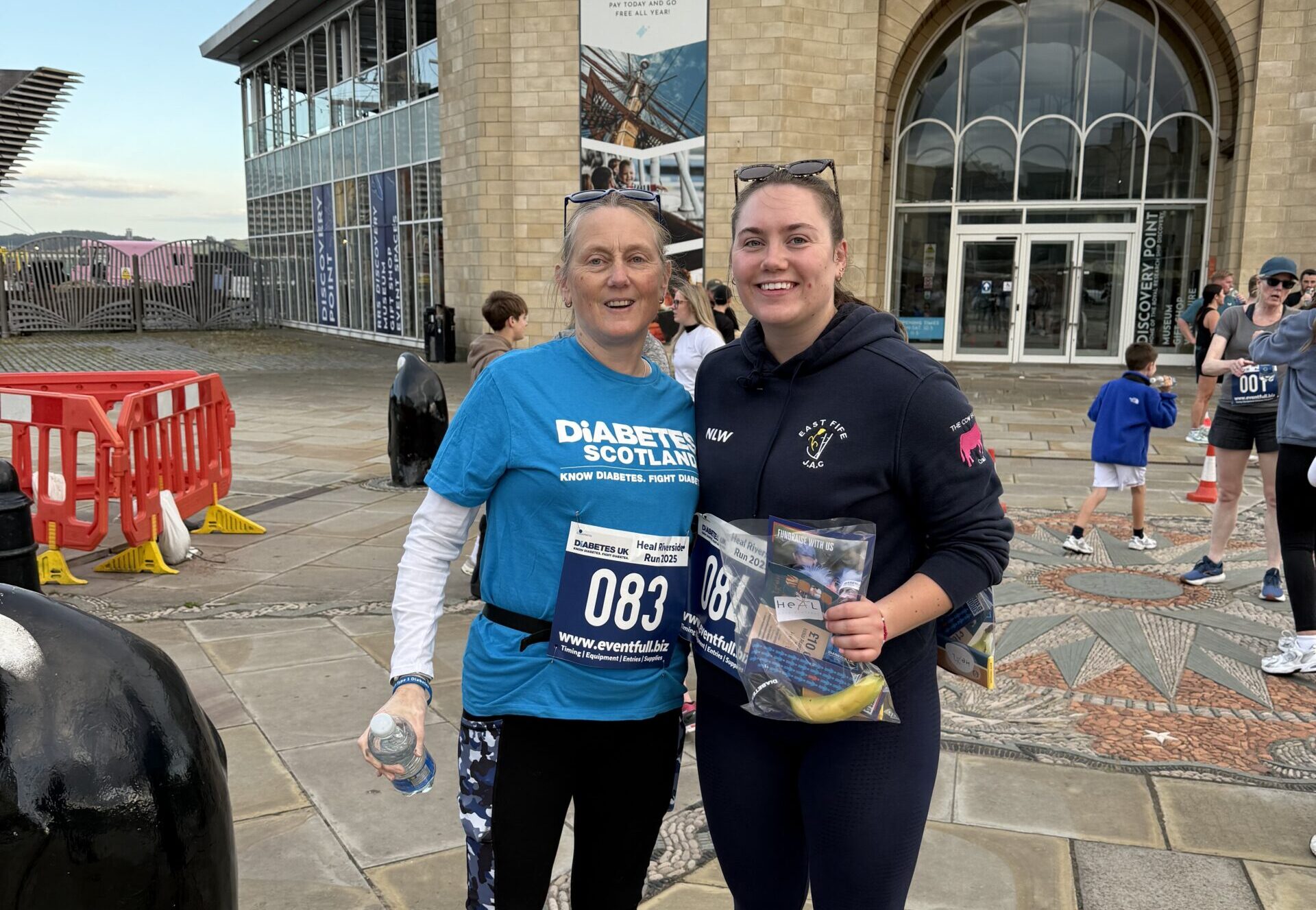
After 40 years of living with Type 1 diabetes (T1D), Sally Walker is committed to helping others better understand this autoimmune disease. She shares her story with MedTech Views to raise awareness on World Diabetes Day.
“I was 12 years old when I got my diagnosis. I had been losing weight, but I was very active so my parents didn’t think much of it. In school, I was always thirsty and needing the toilet a lot,” Sally recalls. “Then one day I drank four big bottles of juice in one sitting and my mother realised that something wasn’t right. She spoke to a friend who was diabetic and they gave us a ketone strip to test my urine.”
A life-changing diagnosis
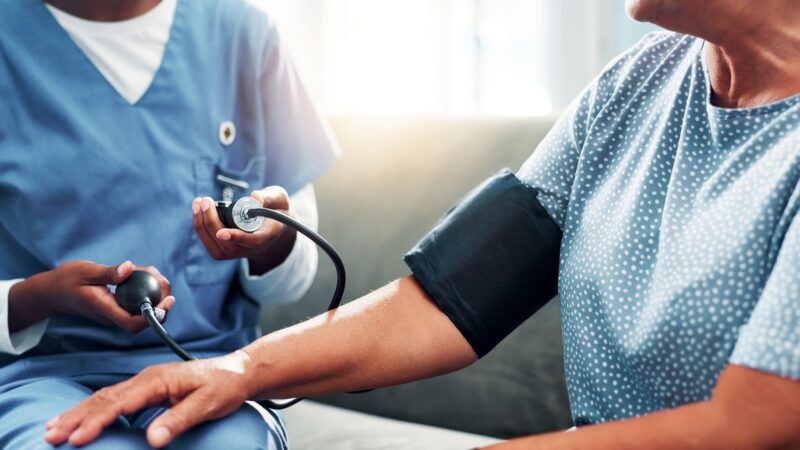
The test strip immediately turned dark purple, indicating dangerously high ketone levels, a condition known as diabetic ketoacidosis. This meant Sally’s body was breaking down fat instead of glucose for energy because there wasn’t enough insulin – the hormone that moves blood sugar (glucose) into your cells for energy.
“My mother called the doctor, who told her to take me straight to the hospital,” says Sally. At the hospital, blood tests confirmed that Sally had T1D, which meant her immune system was attacking the insulin-producing cells in her pancreas and she would need to administer insulin via daily injections. “I was there for two weeks. During that time, they taught my parents how to mix and administer the insulin with syringes and educated them about my new dietary requirements.”
From manual to digital MedTech
A lot has changed over the four decades since Sally had her diagnosis, especially the medtech that supports her. “I went from disposable syringes to pens to an insulin pump for administering my insulin, and from finger prick to continuous glucose monitor (CGM) to check my blood sugar levels,” she explains. “When I first got the pump over 20 years ago, things improved significantly. About six years ago I switched to a hybrid closed loop (HCL) system. All these advances in the technology have been for the better.”
The HCL system is often known as an artificial pancreas. The medtech combines a continuous glucose monitor (CGM), an insulin pump and a smart algorithm that automatically manages Sally’s blood sugar levels. The CGM is a small wearable device with a tiny sensor filament that’s placed under her skin and allows for her glucose to be constantly tracked. The insulin pump is a small, battery-operated device worn on her body that delivers rapid-acting insulin continuously via a thin tube.
“It’s all connected to my phone, which notifies me if my levels are too high or low, and my insulin adjusts without me having to pull out the pump,” Sally notes. “I’m very open about it so my colleagues know what the beeps and buzzing sounds are.”
Making the best of challenging circumstances
While having the HCL system takes some of the pressure off, Sally comments that there’s still a lot going on in the background that people don’t see. “They don’t see the hundred calculations you’re doing every day. The level of insulin needed is so precise and a small error can mean the difference between life and death. If I have a snack, I have to account for that by taking extra insulin. Sometimes I still use the finger prick as a manual back-up.”
Despite the constant worry that people with diabetes live with, Sally emphasises that it shouldn’t be viewed as a life sentence. She co-leads two diabetes support groups and often gives educational talks, especially to parents of newly diagnosed children. “I want them to know that diabetes doesn’t control you. You control it. I’ve travelled worldwide, trekked through the Sahara and run marathons. I truly believe that having diabetes has empowered me.”
Related contentthis may interest you

Posted on 05.11.2026
Medicine without diagnostics is blind: closing the global testing gap
Earlier this year, at The MedTech Forum 2026, we spoke with Carlos Eduardo Gouvea, Executive President of the CBDL CÂMARA BRASILEIRA DE DIAGNÓSTICO LABORATORIAL, about the critical role of diagnostics in expanding access to healthcare, enabling prevention, and supporting better patient outcomes. From home-based testing and personalised medicine to antimicrobial resistance (#AMR) and health system […]
Posted on 13.10.2026
From assessment to access: navigating the EU’s new HTA framework
In early October 2026, the European Commission adopted its first decision to select two medical devices for joint clinical assessment under the EU Health Technology Assessment (HTA). What does this mean for medtech innovators? Tune into the latest episode of MedTech ON AIR, recorded live from our booth at The MedTech Forum 2026, where Frédérique […]