


Empowered after a brain tumour
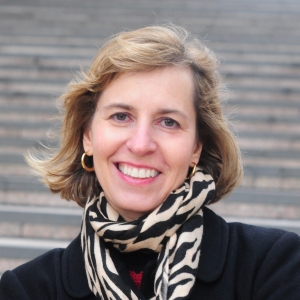
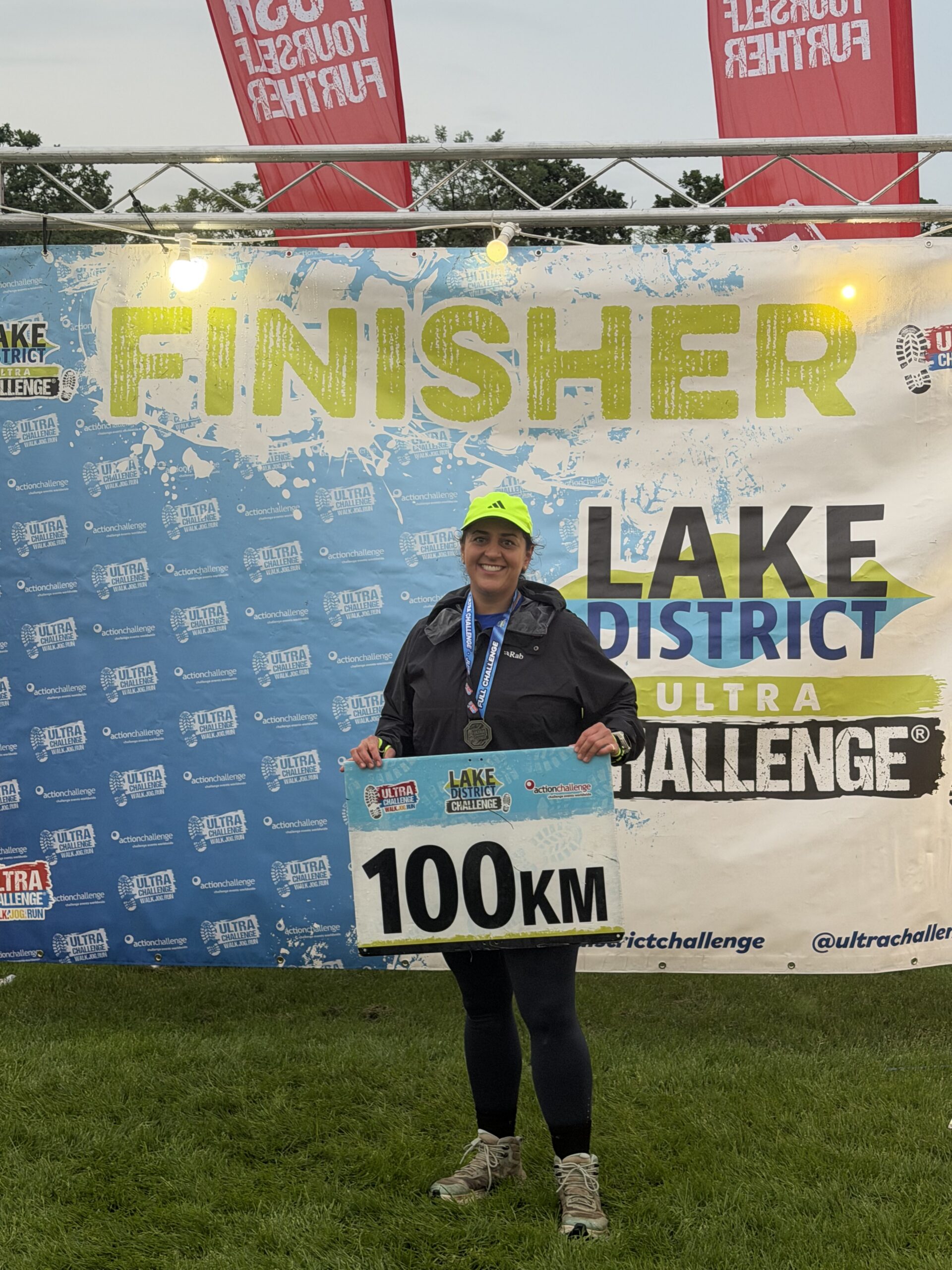
Alexa Holland thought her symptoms might be stress-related, but deep down she knew it was something more. Within two weeks of seeing her doctor, a scan confirmed that she had a brain tumour. She shares her story with MedTech Views on World Brain Day.
“My first symptom happened when I was driving. Suddenly, I lost the sensation in one of my arms. I went straight to hospital and had some basic tests to rule out a stroke, but it wasn’t that and the doctors said it was probably a one-off occurrence due stress,” she says. “Then, about six months later, I noticed that I was struggling to gauge the depth of the front steps at my mother’s home. Again, I thought I was just being clumsy because I was under extreme stress – my mother was dying of cancer, I was going through a divorce and I had two young children.”
When Spring came, Alexa noticed that her ears started popping sometimes when she stood up, which she thought was due to hay fever. Then she started having headaches in the mornings, but painkillers didn’t help. “I had all four of these symptoms, but never at the same time, and it was always attributable to something else,” Alexa remembers.
Nevertheless, she saw her doctor, who ordered a magnetic resonance imaging (MRI) scan, which used special medical technologies to take detailed cross-sectional pictures of her brain and helped doctors identify a 5-centimetre benign tumour called a meningioma. It also showed that the tumour wasn’t pressing on any critical nerves or blood vessels that could have increased the risk of surgery.
“The neurosurgeon said that considering the large size of my tumour, my symptoms had been relatively mild,” Alexa notes. “Two weeks later, I had a craniotomy to remove it. I was lucky that it didn’t impact my memory or cause any lasting damage, and I was back at work within 10 weeks.”
A craniotomy is a surgical procedure where a part of your skull is temporarily removed so that the surgeon can access and take out the tumour. Numerous medical technologies are involved in this process, including computers that work together with an MRI or computed tomography (CT) scan to guide the surgeon to the exact location of the tumour and distinguish between tumour tissue and healthy tissue. Pre-surgery, Alexa had an MRI using contrast dye to show the tumour in more detail.
“The chance of reoccurrence is very low. I had a 6-month post-surgery MRI and everything was fine. I’ll move to annual scans and then have them even less frequently as more time passes,” she says. “It was scary, but I took so much strength from my mum, who fought her cancer battle with such courage.”
Alexa’s experience has made her stronger and determined to turn adversity into something positive. In June, she completed a gruelling 100-kilometre walking challenge in two days and raised over £22,000 for the Royal Marsden Cancer Charity, which had looked after her mum. She continues to raise awareness and funds for cancer treatment and research. Her message to others who may be facing a similar challenge is: “Try and focus on a positive mindset. It’s amazing the strength and courage you can find when you do. Yes it was scary, and I was so afraid, but I knew that worrying wouldn’t help at all.”