


The complex job of chronic wound care

Every day, podiatrist Natalia Jeleva treats patients with lower limb wounds caused by underlying illnesses. Medtech plays a critical role in ensuring her patients have the best possible treatment to improve their quality of life.
“Among other conditions, we see a lot of patients with peripheral vascular disease, which often causes foot and leg wounds that need weekly treatment. In addition to treating any wounds, we take their pulse at every visit,” she explains. “It’s a circulation disorder that increases the risk of heart attacks and strokes, so we also check new patients’ blood pressure to prevent any future serious cardiac events.”
People with peripheral vascular disease, or peripheral arterial disease (PAD), have poor blood flow that significantly increases the risk of wounds (chronic ulcerations) that don’t heal. “Each time we see a patient, we use an ultrasound on their feet that allows us to listen to blood flow patterns. We can get a lot of information about the severity of their disease based on what we hear. This is important if treatment needs to be adjusted.”
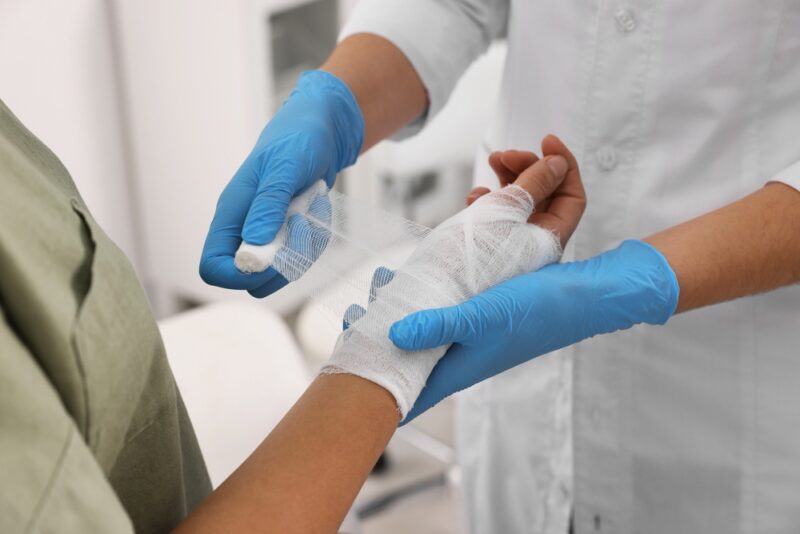
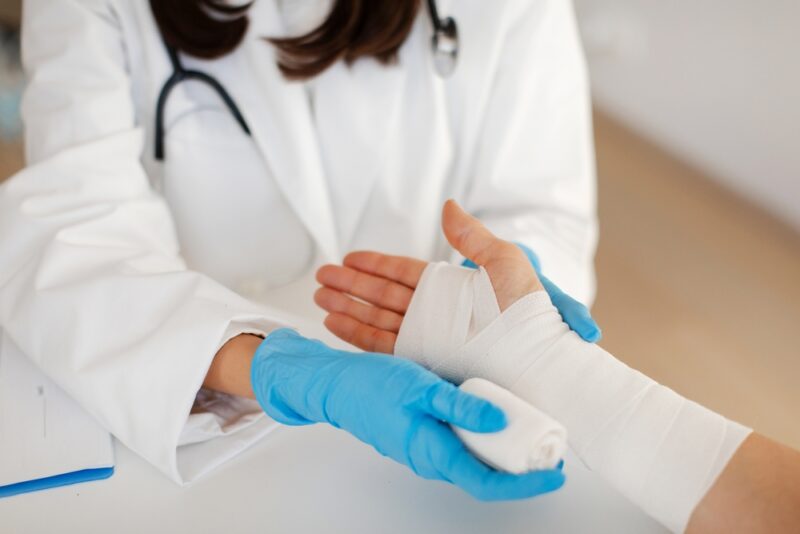
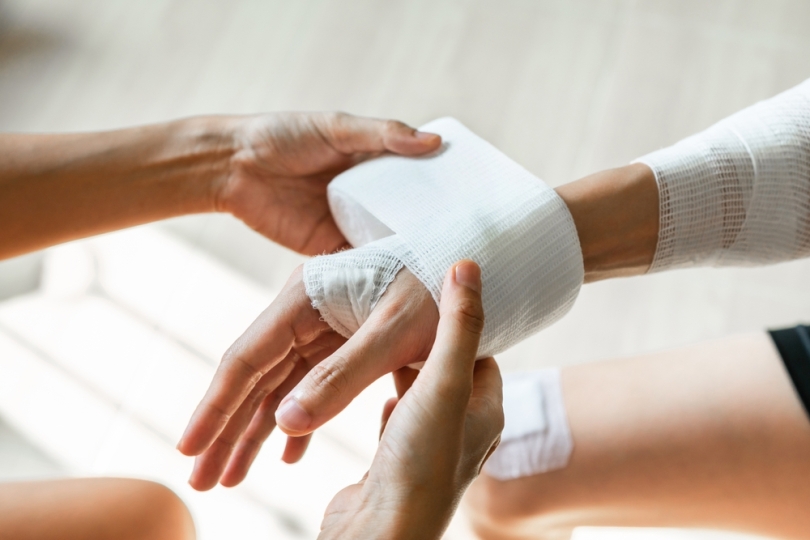
As for the wounds, they are all unique. Some manage to heal, but others don’t. How they’re treated depends on the wound. “Some wounds need cleansing with an irrigation solution and the removal of dead, damaged or infected tissue (or sharp debridement), followed by the application of medicine-impregnated dressings to help with healing and prevent infection,” says Natalia.
“If there’s an obvious infection, we take a swab and send it to microbiology for analysis using medtech. When we find dry necrotic (dead) tissue, we don’t irrigate wounds because it can cause that tissue to change (wet necrosis). In that case, we can’t do much. Depending on the case, we sometimes use surgical instruments like a scalpel to cut away the unhealthy tissue and promote the healing process, or just redress it with impregnated dressing to keep the tissue dry. If the wound depth is down to the bone, we need to send for an X-ray or a magnetic resonance imaging (MRI) scan to detect potential bone infection.”
Caring for chronic leg wounds like those seen in people with PAD is complex. Treatment is usually coordinated by several medical teams, including podiatrists, vascular specialists, infectious disease and diabetes teams, and tissue viability experts, who all liaise closely. For example, more complicated wounds may need to be referred to the tissue viability team and treated with negative-pressure wound therapy (NPWT). It uses controlled suction with medtech to remove fluid, reduce swelling and promote healing.
Regardless of how a wound is treated by medical staff, patients have a big part to play in their own care. “Compliance can make a huge difference in your quality of life. An essential part of wound care is wearing medical-grade compression stockings. I can’t stress how important this is. They create pressure and help with blood circulation so that it doesn’t pool in one place,” she points out. “Some people also use a wearable, non-invasive neuromuscular electro-stimulation device to accelerate healing.” It’s worn just below the knee and gently activates your calf muscle to replicate the effects of walking. This increases blood flow to the wound and can reduce pain and swelling associated with chronic ulcers.
Whether wound treatment involves a simple scalpel or advanced devices, medtech supports both healthcare professionals and patients on every step of their journey.