

Listen earlier, act faster: turning Europe’s heart health ambition into action
Cardiovascular disease remains Europe’s leading cause of death, responsible for around 1.7 million deaths every year, roughly one in three deaths across the EU.
Behind each statistic is a person: a parent, partner, friend or colleague whose life may have been changed through earlier detection and timely care.
Cardiovascular disease includes conditions such as structural heart disease, vascular disease and heart failure. Many can be managed or treated successfully when detected early. Yet they often develop silently, with symptoms appearing only once the disease has progressed.
This is why awareness matters, and why awareness must lead to action.
Europe has momentum
On this World Heart Day, we should recognise the important progress being made.
For the first time, the European Commission’s Safe Hearts Plan establishes an ambition to reduce the burden of cardiovascular disease and lower premature mortality by 25% by 2035. The plan places a strong emphasis on prevention, early detection, and timely treatment, while also promoting the uptake of innovation across the cardiovascular care pathway. Nearly one year after its adoption, the European Commission has proposed its first-ever Council Recommendation on Cardiovascular Health Checks and is rolling out an EU Screening Week.
As Chair of the MedTech Europe Cardiovascular Sector Group, I welcome this momentum and commitment to tackling Europe’s number one killer. The challenge now is to turn Europe’s promise into practical action that reaches people in every community, regardless of their age, sex, or socio-economic status.
In my opinion, this starts with a simple principle: find people before their disease finds them.
Make heart checks part of routine care
Heart valve disease illustrates why this is so urgent. Within the wider cardiovascular burden, this disease – although deadly and affecting more than 14 million Europeans today – remains too often overlooked, underdiagnosed and undertreated. In Europe, someone dies from heart valve disease every ten minutes.
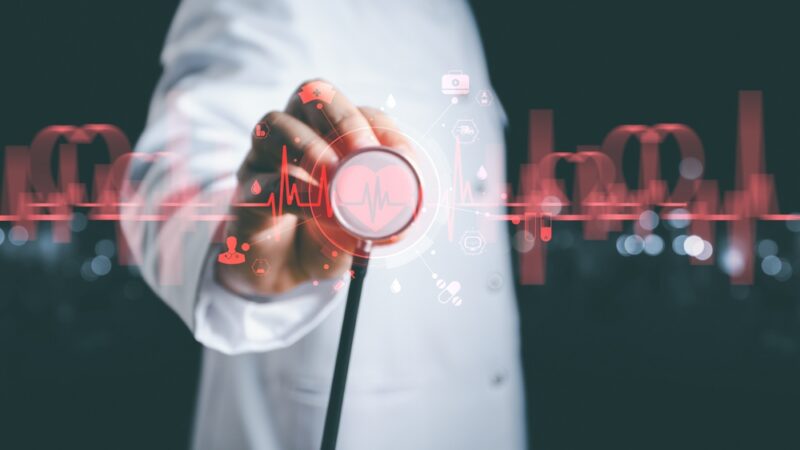
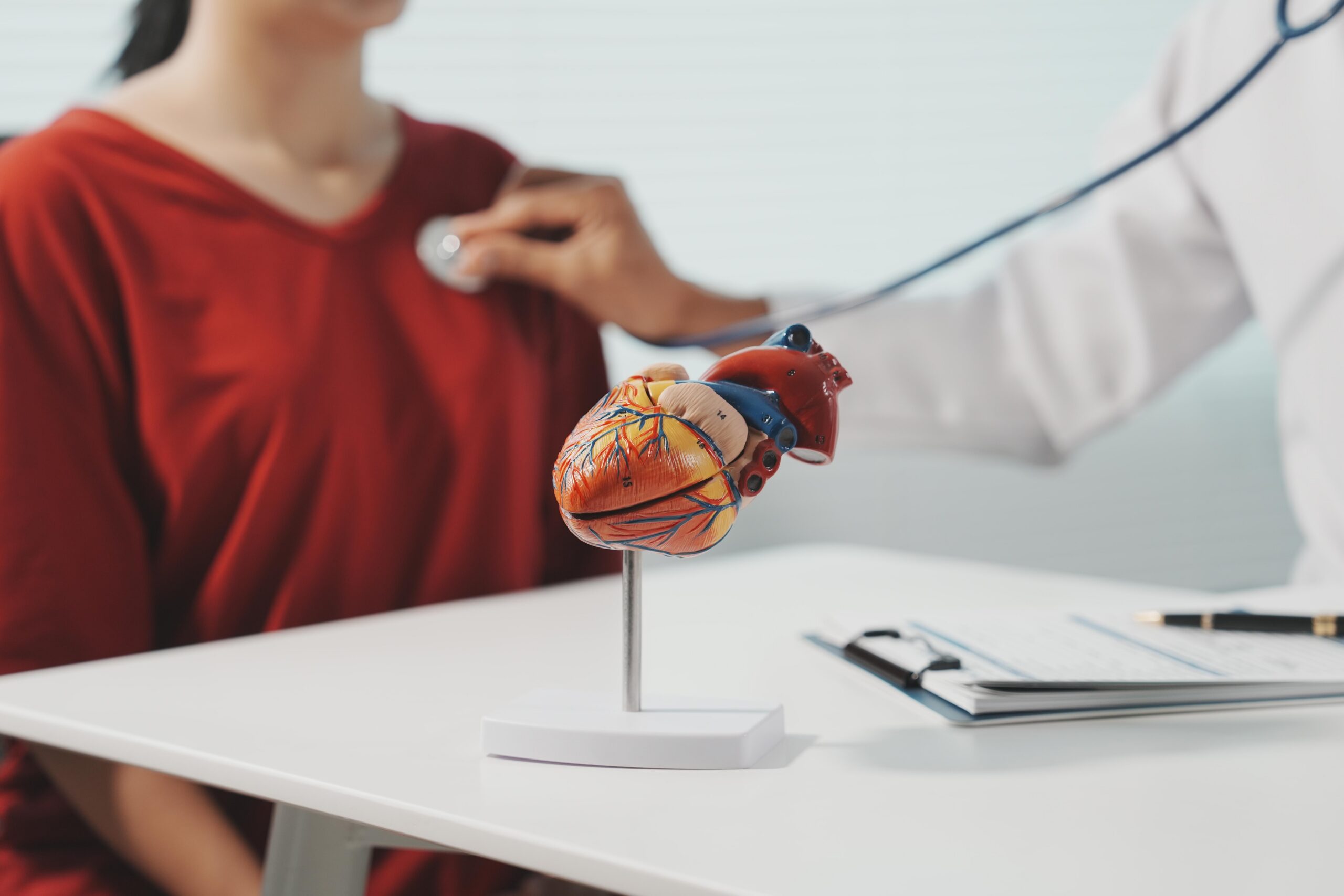
Yet detecting a potential disease is simple and cost-effective: it can begin with something as simple as listening to the heart. Thirty seconds with a stethoscope can identify a heart murmur, while an echocardiogram can help confirm what is happening. But even a stethoscope check is not part of routine care today.
The Council Recommendation for health checks creates a unique opportunity to change that. By introducing systematic cardiovascular checks at least every two years for people aged 65 and over, alongside targeted checks for people at risk at any age, progress can be made for patients and people at risk.
Particular attention must be given to women, who remain significantly underdiagnosed and undertreated across cardiovascular conditions. We must also address the geographical and socio-economic inequalities that continue to influence how early people are diagnosed and whether they can access appropriate care.
Encouraging models already exist. In Madrid, people over 65 are offered a heart check every two years as part of routine primary care. Europe should learn from initiatives like this and scale approaches that work.
Awareness initiatives can also bring heart health closer to communities, such as the Edwards Lifesciences programme ‘Stop the Countdown’. This initiative delivers educational programmes across Europe to raise awareness of heart valve disease and promote early detection. These initiatives show what can be achieved through collaboration. But they must complement systematic and sustainable approaches embedded in healthcare systems.
Detection must lead to timely treatment
Screening alone is not the destination.
A health check that identifies a potential condition but leads nowhere is not effective screening, it is a missed opportunity.
Every check must connect to a clear patient pathway, with timely access to diagnosis, assessment and appropriate treatment.
Europe’s cardiovascular health agenda must therefore address the entire pathway: from awareness and early detection to diagnosis, referral, treatment and follow-up. It should set measurable objectives and ensure more equitable access to specialist care and medical innovation. This is what should be put to the forefront in the future EU guidance on integrated and personalised pathways for treatment.
Medical technology is part of the solution
Medical technologies already support every stage of the cardiovascular care pathway, from stethoscopes, diagnostics, and advanced imaging to minimally invasive transcatheter therapies, as well as digital and AI-enabled solutions and remote patient monitoring.
Although innovation never stops in our medtech industry, many of the technologies that can transform early detection and optimise patient pathways are already existing. The challenge is to integrate and deploy them more consistently into healthcare systems and ensure they reach the right people at the right time.
Used effectively, they can help detect disease earlier, improve outcomes, reduce avoidable hospitalisations and enable healthcare professionals to use limited capacity more efficiently.
But progress requires collaboration and partnership. Policymakers, healthcare professionals, patient organisations, scientific societies and industry must work together to transform innovation into a concrete benefit for patients and tangible value for the healthcare system.
Listen to your heart
On this World Heart Day, my call to policymakers and healthcare leaders is clear: make risk-based heart health checks a routine part of care, connect them to effective referral pathways and ensure equitable access to diagnosis and treatment.
And my message to everyone is simple: Know your Numbers, and Know the Symptoms. Pay attention to changes in your heart health. Ask for a heart check and pulse check. Do not dismiss unusual breathlessness, fatigue, dizziness or chest discomfort as simply part of getting older.
A simple check can be the first step towards an earlier diagnosis and timely care.
Europe has the ambition, knowledge, the technologies and the momentum. Now we must turn them into action for patients, for healthcare systems, and society.