


New EU rules make it easier to keep trusted medical devices on the market


The European Union has taken a step to ease long-standing regulatory pressure on medical devices with a well-established track record, such as feeding tubes, bone wax or orthodontic devices. Two new rules from the European Commission mean fewer of these devices will need fresh clinical investigations or lengthy reviews to stay on the market. Read on to learn what this means for patients and for the sector.
What’s changed
The European Commission has published two delegated regulations on well-established technologies, or ‘WET’ devices, technologies with a long track record of safe, reliable use, such as orthodontic devices, feeding tubes, suture sleeves. Regulation C(2026) 1798, based on Article 61(8)of the Medical Devices Regulation (MDR), and Regulation C(2026) 1809, based on Article 52(4), both entered into force after publication in the Official Journal on 20 June 2026 and take effect on 24 July 2026.
The first regulation grows the list of implantable and Class III devices that don’t need brand-new clinical investigations, from 12 device types in the original 2017 MDR Art.61. (6) b to 67 today. Manufacturers still need to run a full clinical evaluation and can rely on existing data, they just don’t need to launch new investigations for devices that are already well understood.
The second regulation extends a simpler approval pathway for certain Class IIb implants, growing the list from 12 to 35 device types. Instead of a notified body checking every single device’s paperwork one by one, some well-established devices can now go through a simpler review, because their track record already shows they’re safe.
Why it matters
For years, some well-known devices struggled to reach or stay on the market for an odd reason: nobody wanted to run a clinical investigation on a device that’s already proven itself, since it’s hard to justify the cost and effort of testing something everyone already trusts. That gap sometimes meant hospitals had fewer options, and there have been delays getting familiar devices to patients.
By officially recognising 67 and 35 categories of trusted devices, these new rules close that gap. Manufacturers get a clearer, faster path to market, and hospitals and patients keep access to devices with decades of real-world safety behind them, all without lowering the bar on safety.
Good news for patients
Patients benefit most from continuity: devices they and their doctors already trust stay available, without gaps caused by unnecessary red tape. Every device on these lists still has to meet the MDR’s safety and performance standards, undergo ongoing clinical evaluation and be tracked through post-market surveillance for as long as it’s on the market.
Good news for business
For manufacturers, this means more predictability. Companies now know upfront which devices qualify for a lighter-touch approach, making it easier to plan resources, evidence and timelines.
It also frees up capacity across the system: notified bodies and manufacturers can spend more time and resources on genuinely new or higher-risk technologies, rather than repeatedly re-checking devices with decades of proven safety.
What’s next
These two regulations are a welcome short-term fix, but they’re just one piece of a bigger picture. The European Commission has also proposed formally defining ‘well-established technology’ in the ongoing revision of the MDR and IVDR, a move that would give manufacturers, notified bodies and regulators much more legal clarity going forward.
MedTech Europe welcomes these delegated acts as a practical step towards more proportionate rules, and stands ready to support regulators with technical expertise as they’re rolled out. We’ll continue working constructively with EU policymakers on the wider MDR/IVDR reform, to help build a simpler, more predictable and future-proof regulatory system for medical devices and diagnostics.
Related contentthis may interest you

Posted on 13.10.2026
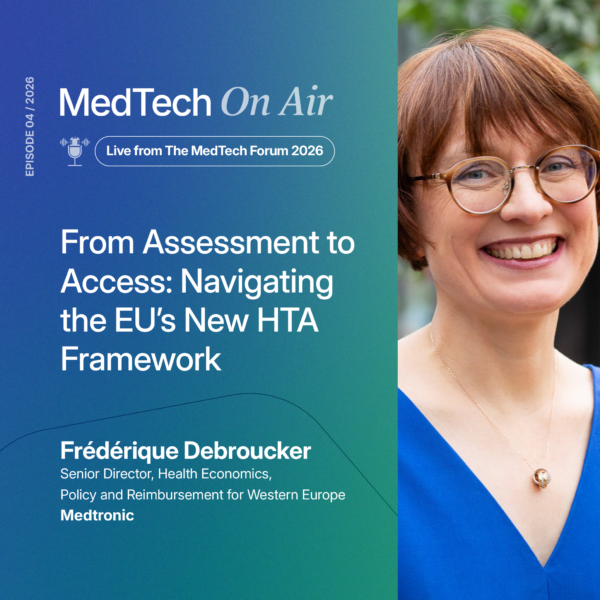
From assessment to access: navigating the EU’s new HTA framework
In early October 2026, the European Commission adopted its first decision to select two medical devices for joint clinical assessment under the EU Health Technology Assessment (HTA). What does this mean for medtech innovators? Tune into the latest episode of MedTech ON AIR, recorded live from our booth at The MedTech Forum 2026, where Frédérique […]