


The medical technology that detects cancer with AI
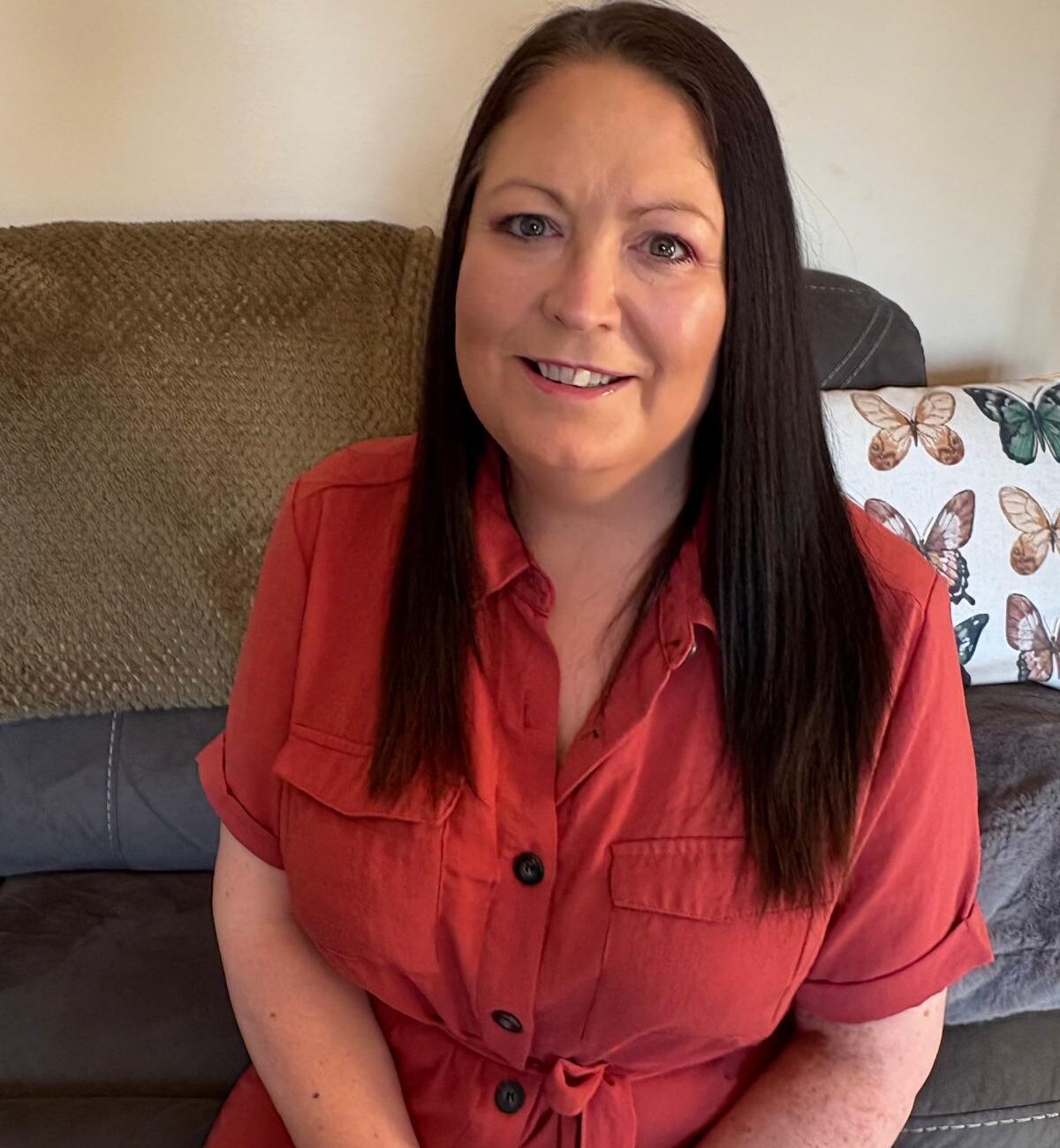
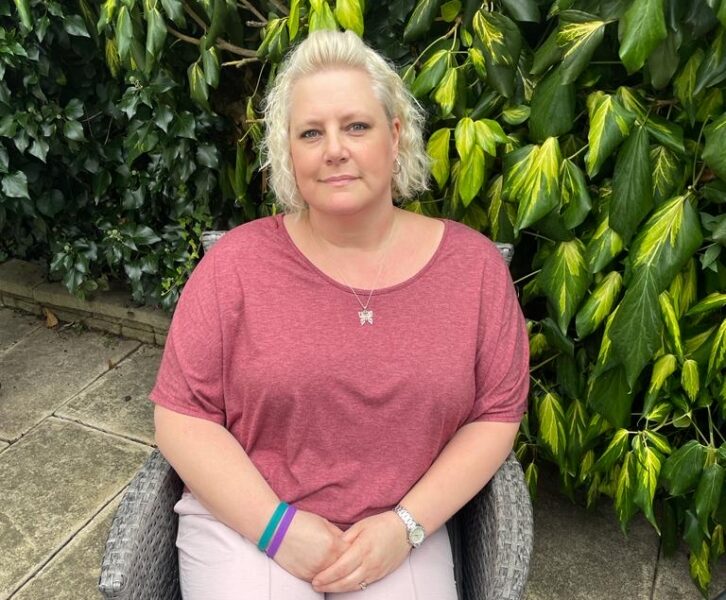
Lynsey Robertson didn’t think much about a large freckle that appeared on her back because it wasn’t bothering her. The last thing she expected was a cancer diagnosis. On World Cancer Day, she shares her story with MedTech Views.
“I had a lesion on my back that a couple of people noticed on holiday, but I assumed it was nothing as it wasn’t sore, red or bleeding,” she remembers. “I never considered getting it looked at. By chance, the doctor’s surgery where I worked was offering to check their staff with a new skin cancer detecting device and I thought ‘why not’?”
A skin lesion is any area of skin that differs in appearance, texture or colour from the surrounding tissue, like a mole, skin tag or flat spot like a freckle. It’s important to get checked by your doctor if you notice any new, changing or unusual growths, moles or spots.
In Lynsey’s case, the trained technician used a special lens attachment on a phone camera to take an image of her lesion. It was then sent to an app for analysis using artificial intelligence (AI) which can detect early signs of skin cancer that may not be visible to the naked eye. Within minutes, the app flagged that Lynsey’s lesion was a suspected melanoma, a type of skin cancer that can spread to other areas of the body. It is usually caused by ultraviolet light, which comes from the sun and is used in sunbeds.
“As soon as my colleagues were alerted that I had a suspected melanoma, they had to treat me as a patient and follow the procedures. They couldn’t tell me, but I could see from their reaction that something wasn’t right,” says Lynsey. “They referred me to a local hospital where the lesion was removed and sent for analysis in a lab. A week later, I was called in and told that it was a malignant melanoma. It had just started to spread.”
Fortunately, Lynsey’s cancer was found early and could be treated by surgical removal of the lesion and surrounding tissues. “The doctor told me that if I had left it 12 months, it would have been a different story as it would have spread to other parts of my body,” she notes. “I feel like there was an element of fate and I am so grateful that I was offered the screening. The technology is just amazing and I’m sure it will benefit a lot of people in the future.”
Lynsey admits that her understanding of skin cancer was very limited, but now she gets checked regularly. She emphasises the importance of getting checked, pointing out that people in countries that don’t get a lot of sun often have a false sense of security. “We’re not aware of it enough, but it’s quite common. Now I am really conscious of it. I stay out of the sun and if I go outside, I’ll put sunscreen on any exposed skin. And I sit in the shade.”