


Advocating for women’s vulval health

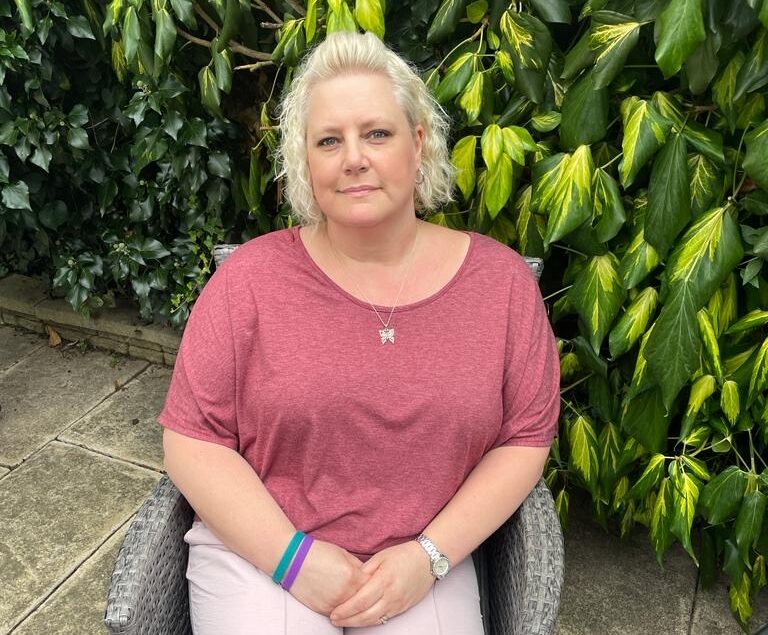
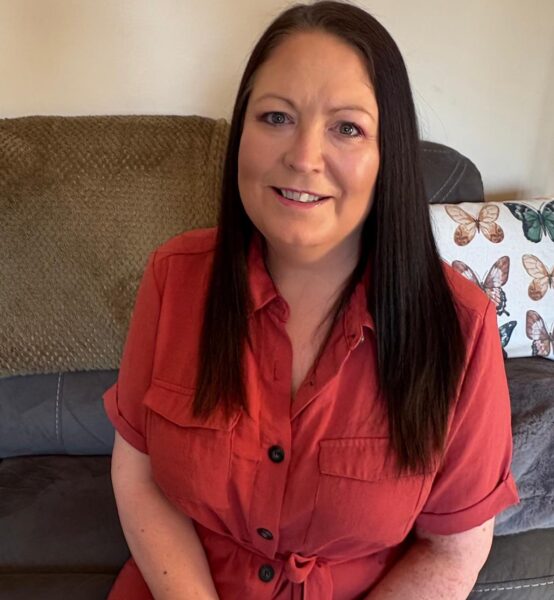
When Clare Baumhauer was diagnosed with vulval cancer and lichen sclerosus at age 43, information was sparse. Since then, she’s dedicated her life to educating others about these conditions. Below, Clare shares her story with MedTech Views to raise awareness during Women’s Health Month.
“My earliest memory was age five, when sitting was always itchy and uncomfortable. By the time I was around nine, going to the toilet felt like acid on my skin,” she remembers. “My mum took me to the doctor, who diagnosed it as cystitis. It settled for a while but then the symptoms came back in my 20s. It was taking over my life.”
The pattern of flares and remission carried on into her 30s with no relief or diagnosis. During the flares, Clare would have severe pain and itchiness in her genital area. “I wasn’t aware what to look for myself and I didn’t have any physical examinations until my late 30s, when a doctor swabbed me for thrush (vaginal candidiasis) and took a blood test to rule out diabetes,” she says. “Both tests came back all clear, so I still had no answers.”
In her early 40s, Clare noticed a tear in her perineum, the tiny patch of skin between your vulva (the external part of female genitals) and anus. “The tear then changed to an ulcer and doubled in size very quickly. At first the doctor diagnosed it as Herpes, but then decided to order a biopsy,” she explains. This involved taking tissue samples and using MedTech to examine them in a lab. “I had three biopsies taken and 10 days later I was told that I had vulval lichen sclerosus and vulval cancer. I was in shock – I’d never heard of either.”
Vulval Lichen Sclerosus (LS) is a long-term skin condition that causes patches that are often itchy, white, smooth or wrinkled, and easily damaged. It’s believed to affect at least one in 100 women or people assigned female at birth (1). There is no cure, but symptoms can be managed with steroid treatment. If left untreated, there is a higher risk of developing vulval cancer.
Doctors used computed tomography (CT) and magnetic resonance imaging (MRI) scans to identify the extent of Clare’s cancer and guide treatment decisions. “I had surgery but because the cancer had grown since the scans, I also needed 25 sessions of radiotherapy,” she notes. “Complications after surgery led to another lot of radiotherapy, so the treatments lasted for over a year. The cancer came back several years later, but fortunately it was caught because I was having regular check-ups. I had surgery again and have now been clear for nearly three years.”
Clare is monitored every few months and has annual CT and MRI scans to make sure nothing has changed, which give her peace of mind. She’s determined to spread the word so that others know what to look for, to break down the stigma and to help people
get early diagnosis and treatment. To that end, she’s founded Lichen Sclerosus & Vulval Cancer UK Awareness, helped create a free LS Guide and runs LS support groups. “It’s important that women check themselves regularly and know what their normal is,” she says. “We need to advocate for ourselves and not be embarrassed to talk about it.”
- https://www.nhs.uk/conditions/lichen-sclerosus/