


Endometriosis in the spotlight

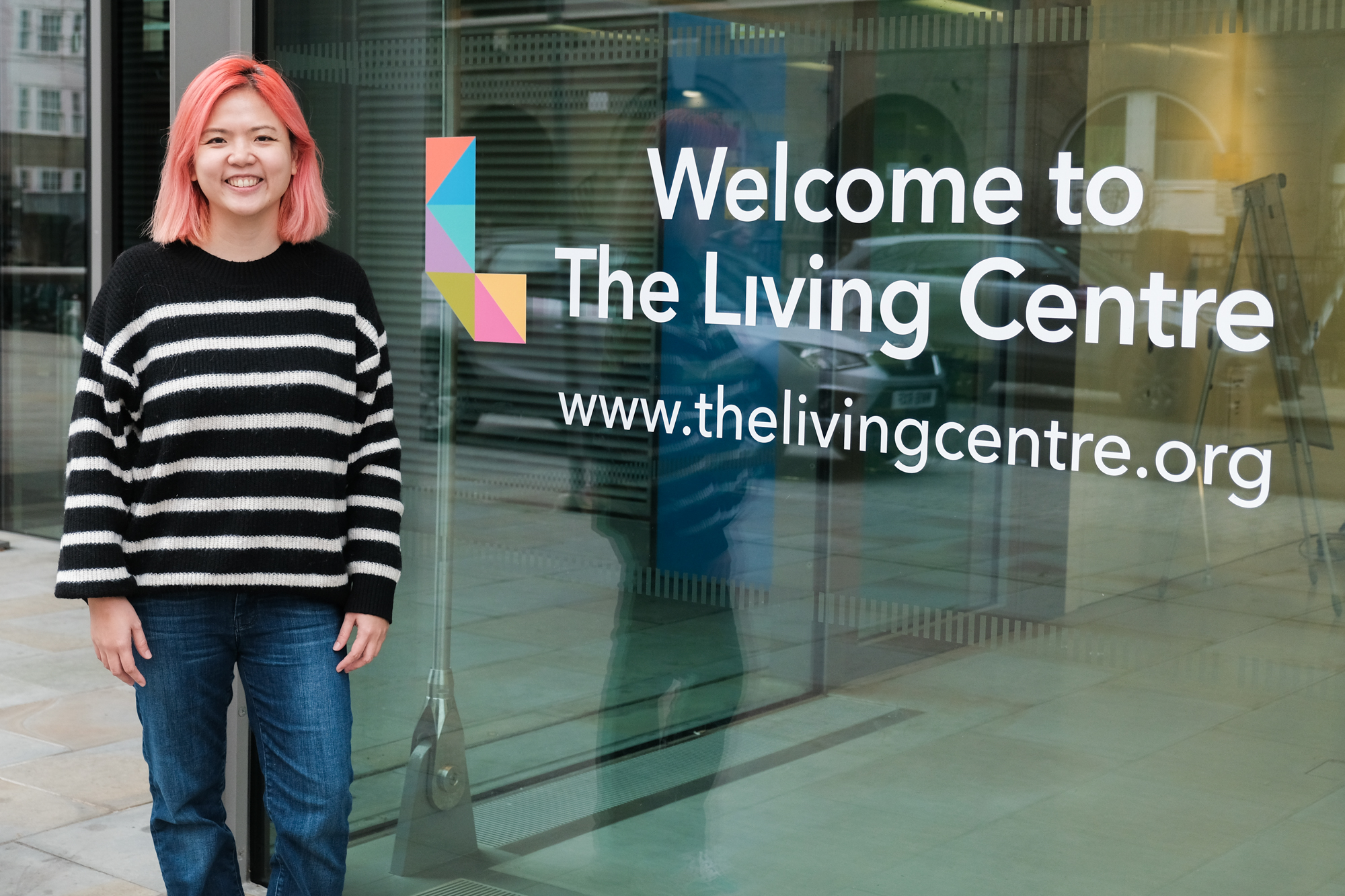
Lianne de Vera had painful periods from the start, but she thought it was normal. It wasn’t until the discomfort became debilitating in her 20s that she decided to see a specialist, who diagnosed her with endometriosis. She shares her story with us during Women’s Health Month.
“The pain was so excruciating that I couldn’t stand up,” she remembers. “The specialist ordered a pelvic ultrasound, which showed cysts on my left ovary. I was given medicine to try and shrink them, but after 18 months, another scan showed that they hadn’t decreased in size.”
Endometriosis is a complex disease, with no cure, where tissue that’s like the tissue in your womb (uterus) grows in other parts of your body, causing inflammation and scar tissue formation. When it affects your ovaries, an endometrioma or ‘chocolate cyst’ can form. They’re known as chocolate cysts because they are filled with old blood and endometrial-like tissue, giving them a chocolate-like appearance.
“The next step was a laparoscopy, where they burned the cysts to remove them,” Lianne tells MedTech Views. “The pain was much more tolerable after that, but I wasn’t completely pain-free. I was also told that there was a chance of the endometriosis coming back.” The laparoscopic surgery was a minimally invasive procedure where the surgeon made small incisions in Lianne’s abdomen to find and ablate (burn) the endometriomas using laser medical technology.
“Eight years later, after the birth of my second child, I started having more pain again,” she says. “I had a lot of blood tests to rule out possible causes and then I saw a specialist who did another ultrasound. I was relieved that there were no new cysts or lesions, but I was having pain on the upper left side of my body during my periods.” Lianne was referred for a magnetic resonance imaging (MRI) scan, which used medtech to create highly detailed, three-dimensional images of her upper body.
“The MRI showed that there was inflammation in my left shoulder, which the specialist said could be due to my endometriosis, as it can cause inflammation in your whole body,” she explains. “I’m still on my journey to being pain-free, but the medication is helping. I’ve also been referred for physiotherapy. I feel relieved that there aren’t any more cysts, but also frustration that I’m still having some symptoms. Even though the way forward is uncertain, I’m happy that I was able to have the scans to know what was happening.”
Lianne has spent a lot of time educating herself about endometriosis and raising awareness, especially at work. After attending training she became an Endometriosis Champion at the charity where she works, which is an Endometriosis Friendly Employer.
She emphasises that it really helps people with endometriosis to know that they’re not alone.
When asked what advice she would give to someone who has concerns about abnormal period pain, she says: “The most important thing is to trust your body and your experience. You know your body best. It’s better to pursue testing and diagnosis than to just give up on it, so you can get the treatment you need.”